Introduction to soccer
DC First Touch
Program
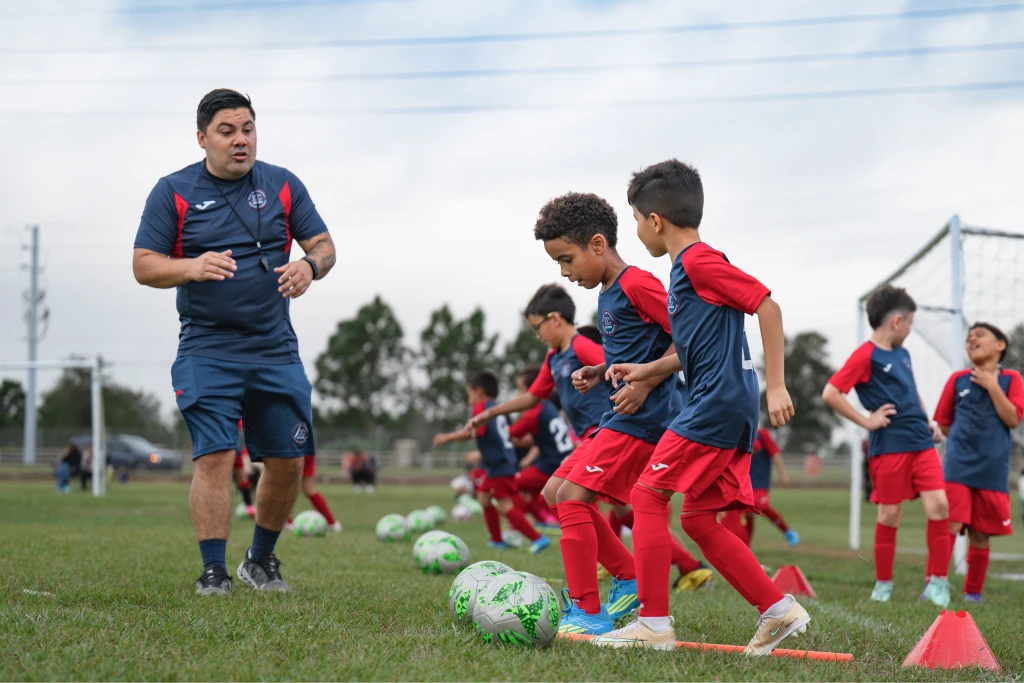
Big discoveries start with small touches. The DC First Touch Program is explicitly designed around a player-centered approach, meeting young children exactly where they are in their developmental journey. We introduce the fundamentals of soccer through movement, exploration, and positive experiences with the ball. By prioritizing each child's individual comfort and pacing, our coaches create an encouraging environment where children feel secure, engaged, and excited to participate. Rather than focusing on rigid drills, our player-centered philosophy emphasizes building confidence, fostering self-expression, and nurturing a lifelong love for the game.
Register for First Touch
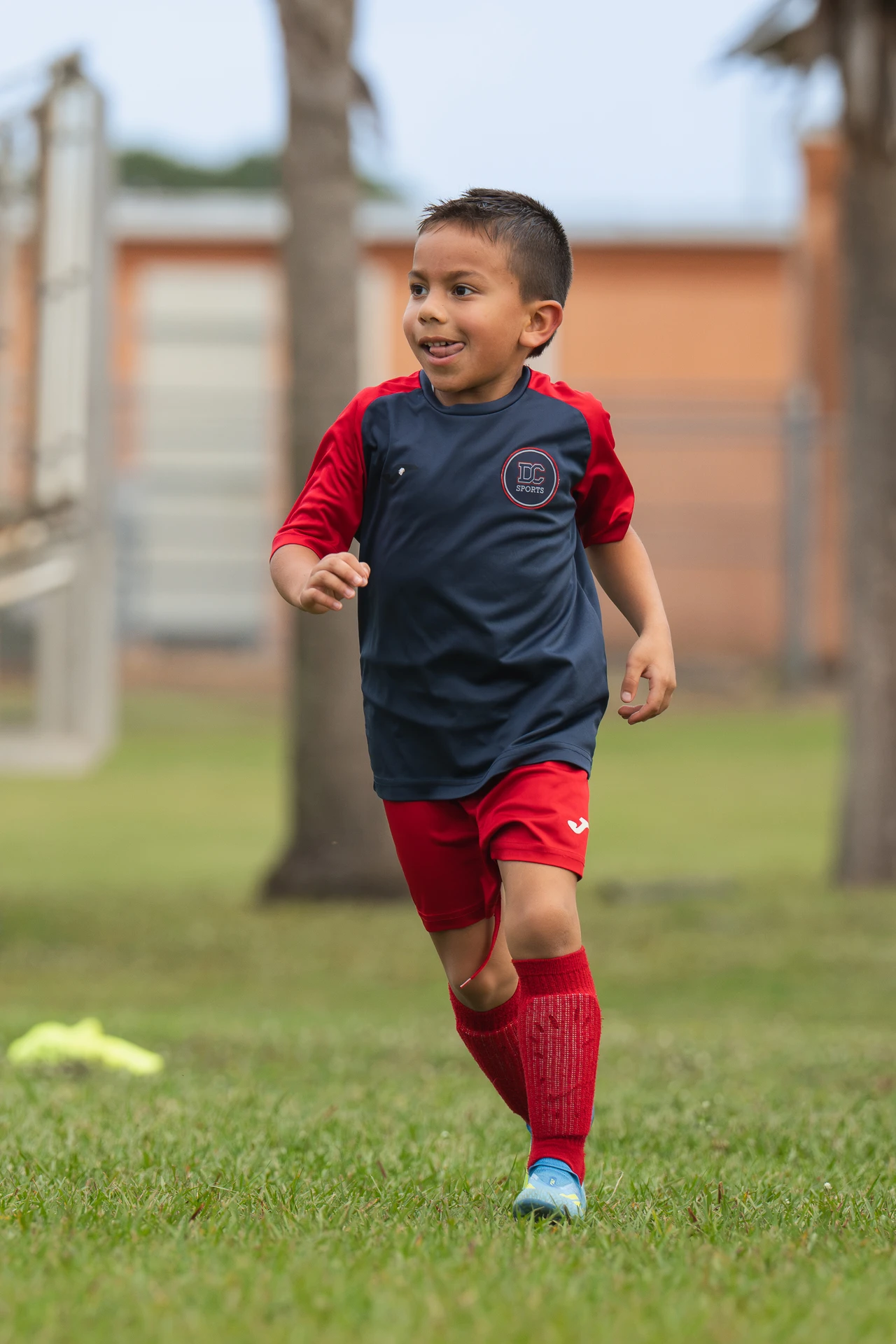
Best for Children ages 3–5 taking their first steps in soccer
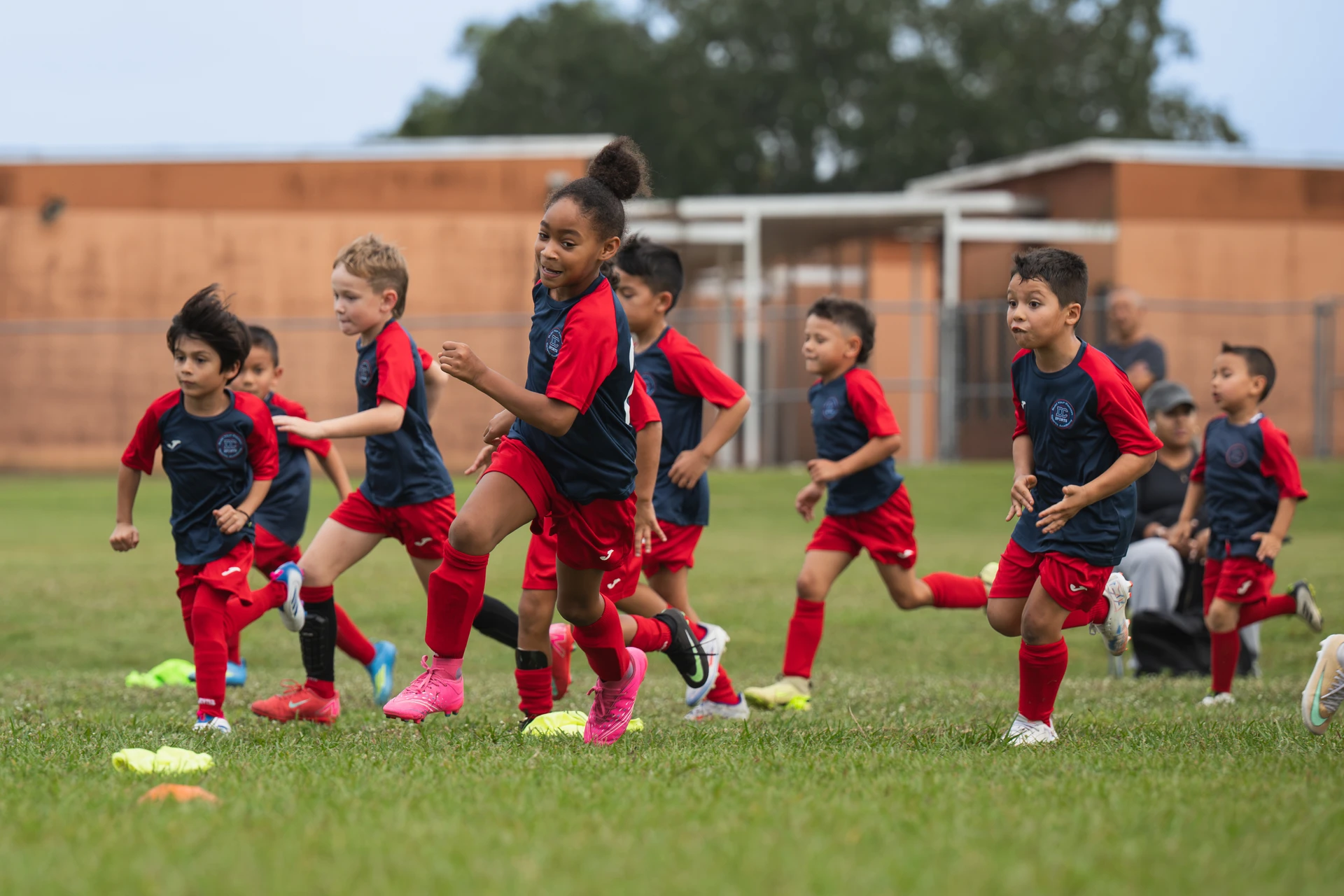
Development focus
At this fundamental stage, we focus on nurturing the whole child, both as an individual athlete and a teammate. Our player-centered curriculum is built upon four foundational pillars:
Early Movement Skills
Enhancing physical literacy through natural, soccer-specific movements that teach children how to navigate the field with agility and balance.
Coordination & Ball Mastery
Developing body control, spatial awareness, and initial comfort with the ball through fun, exploratory exercises.
Confidence & Self-Expression
Creating a safe, uplifting environment where every child feels empowered to try new things, learn from mistakes, and celebrate their own progress.
Social Participation
Guiding young players as they learn to interact, share experiences, and collaborate positively with their peers.
Recreational entry and skill development
DC Development
Program
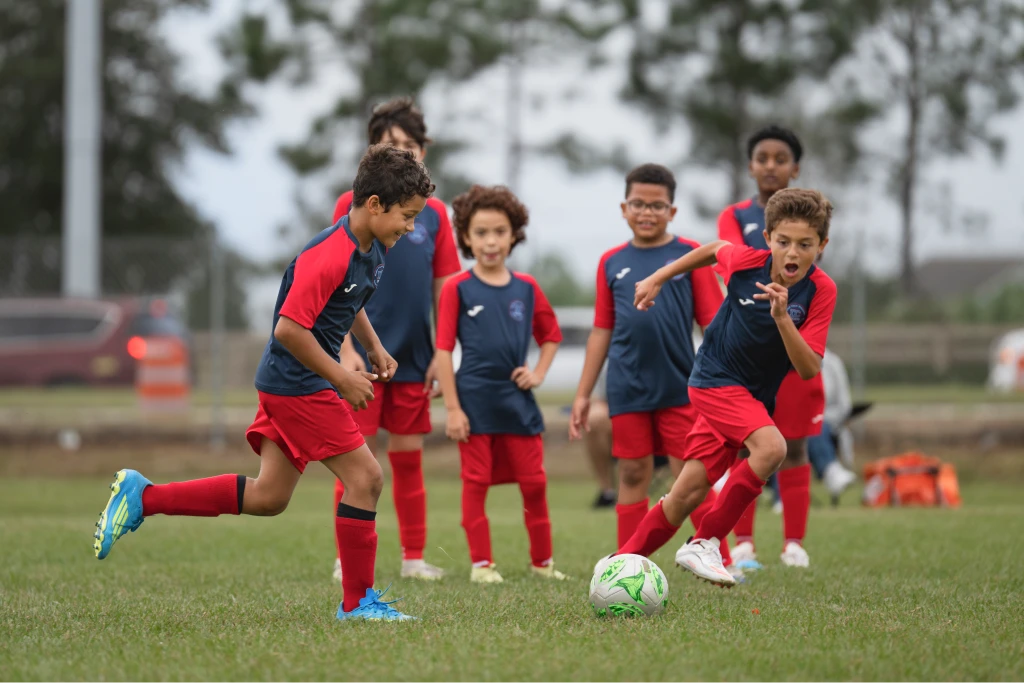
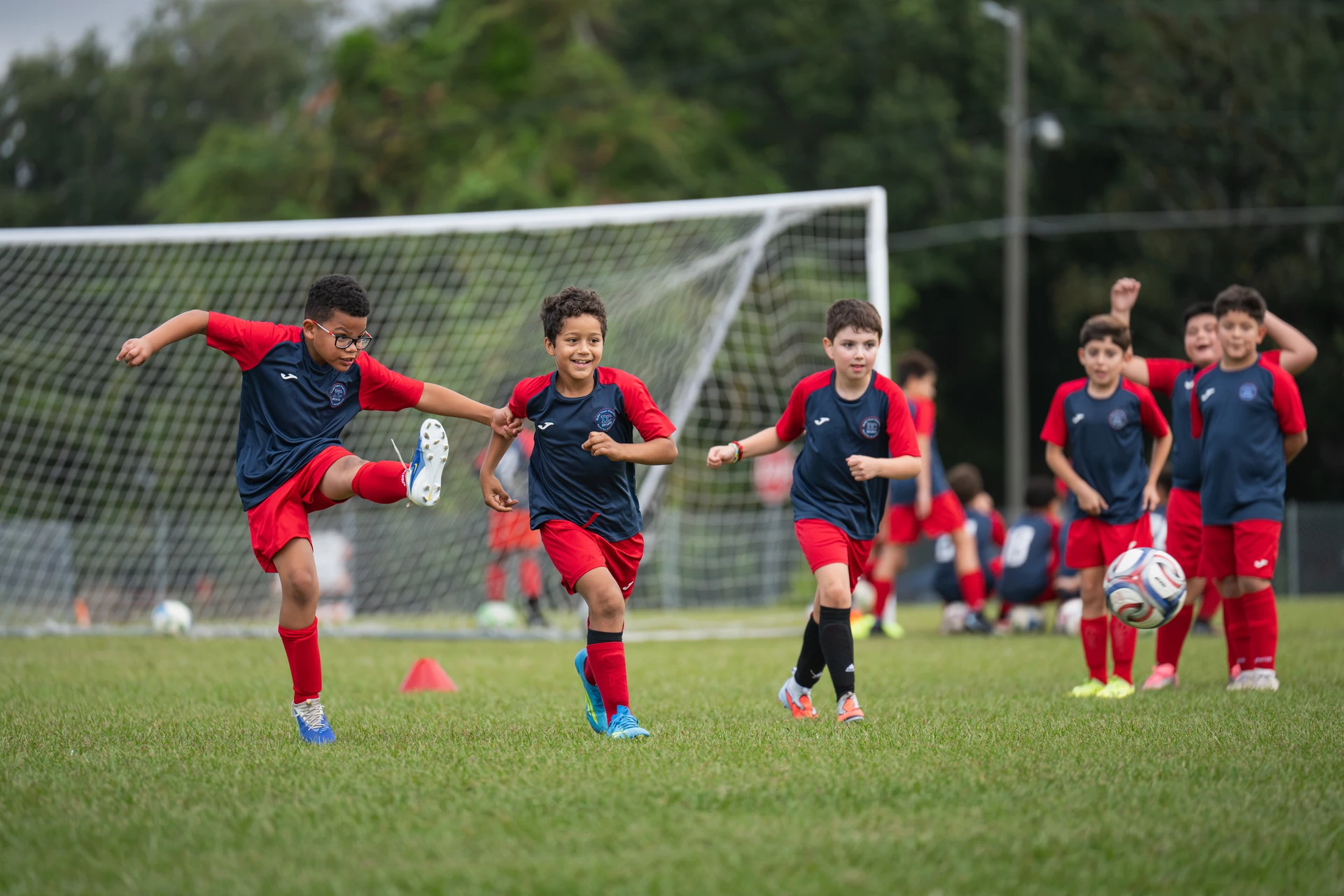
Build the foundation for the next step. DC Development gives players a place to learn soccer fundamentals, strengthen individual skills, and become more confident playing with others. It supports children beginning recreationally as well as players looking for a more structured development experience.
Our primary objective is to cultivate growth at each player's individual pace. By balancing technical training with tactical understanding, we instill the discipline, team chemistry, and game-day decision-making skills that young athletes can carry forward into competitive leagues and future opportunities.
Register for Development
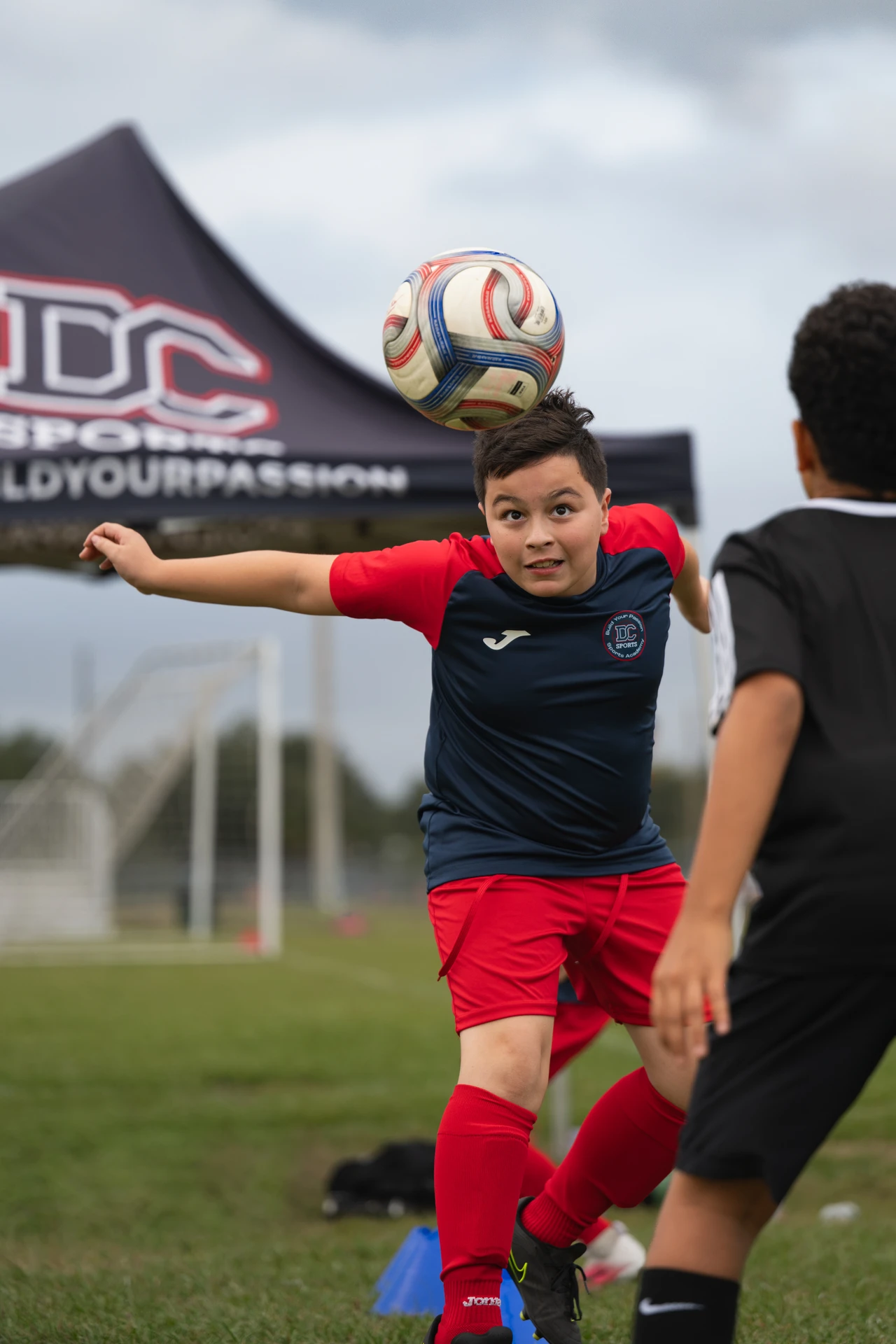
Children ages 6–16 beginning soccer or building their foundation
Development focus
Our development curriculum bridges the gap between basic play and competitive readiness by focusing on four core growth pillars:
Technical Ball Mastery
Refining individual touch, close control, passing accuracy, and body mechanics while in possession.
Teamwork & Collaboration
Cultivating positive group dynamics, effective communication, and a shared responsibility among teammates.
Tactical Game Understanding
Building situational awareness, introducing positions, and developing decision-making skills in real-game scenarios.
Mental Confidence
Creating a supportive environment where players feel empowered to take risks, lead on the field, and learn from mistakes.
Competitive player development
DC Competitive
Program
Take on new challenges while continuing to learn. The DC Competitive Program is designed for dedicated players who are ready to test their skills in a more rigorous soccer environment. Our player-centered training philosophy treats every match and practice as a learning environment—giving athletes the platform to make independent decisions under pressure, apply advanced techniques, and achieve personal growth through shared team goals.
We believe that a player's competitive success relies on a strong partnership between the club, the athlete, and the family. Competitive soccer involves a shared commitment to consistent training and holistic development. Contact our coaching staff today to discuss personalized player placement, training expectations, and the competitive pathways available for your child's age group.
Ask About Competitive Placement
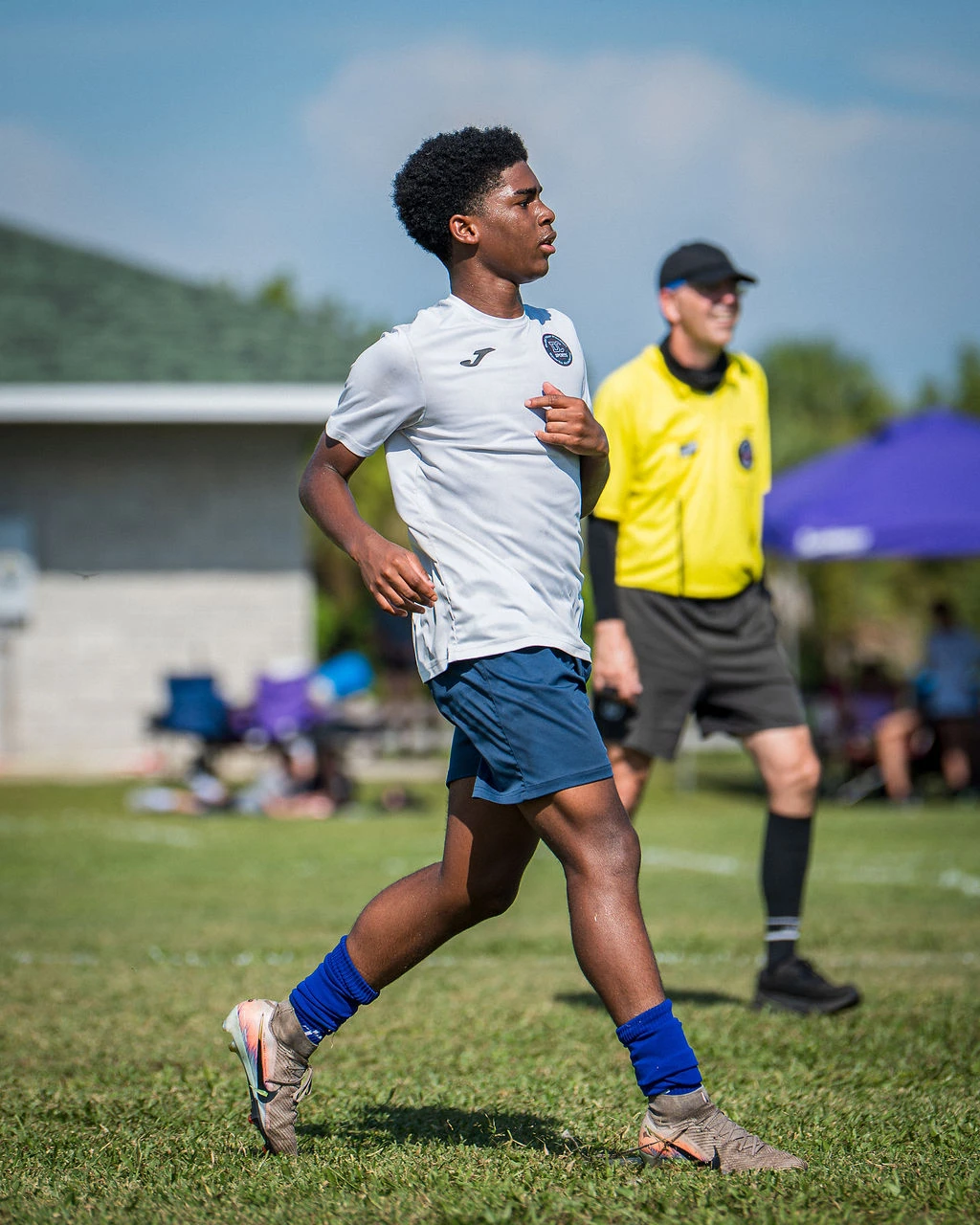
Players ages 8–16 ready to explore competitive soccer.
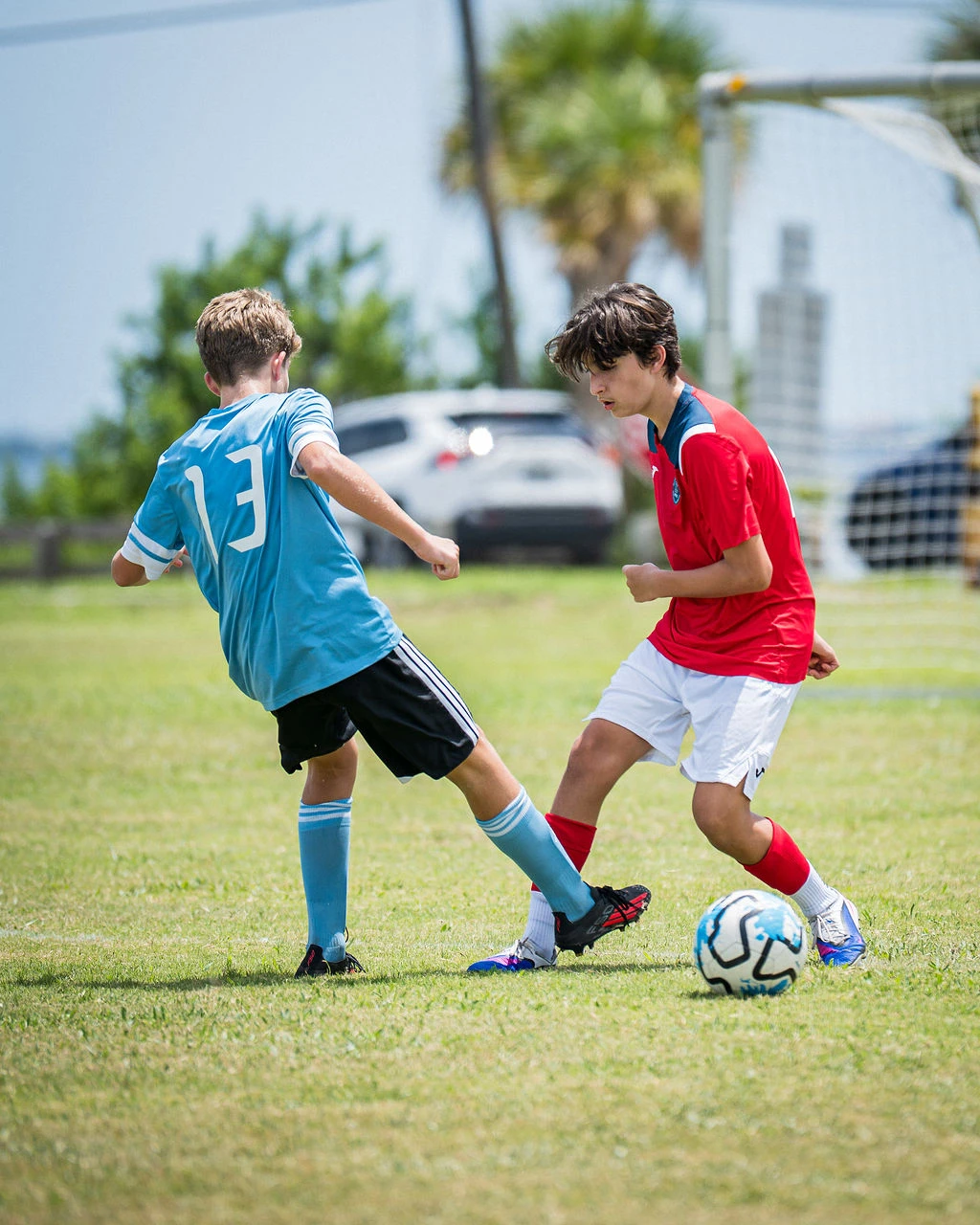
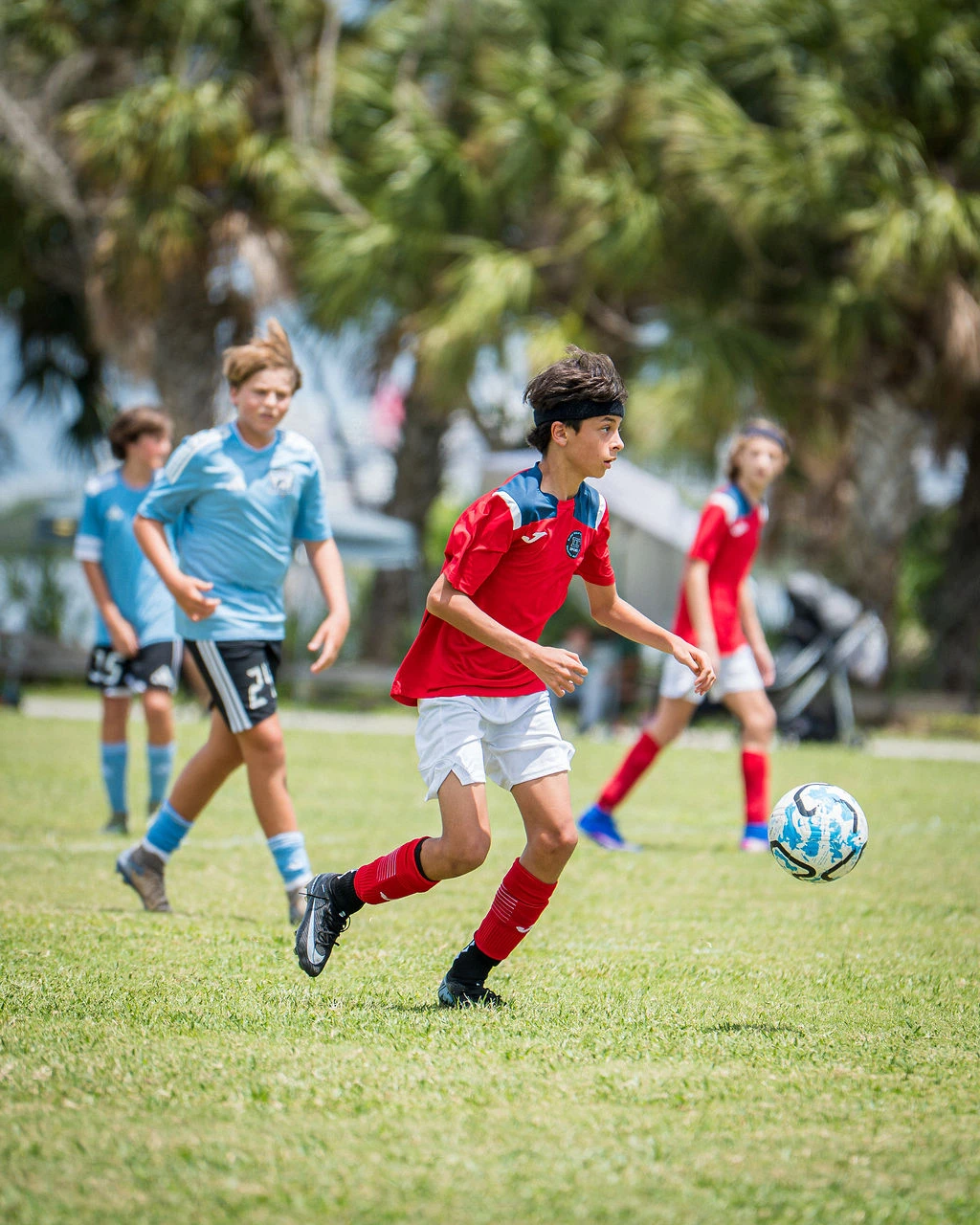
Competitive focus
Our competitive curriculum challenges players to refine their game execution, shifting the focus from individual mechanics to high-level tactical performance:
In-Game Technical Execution
Applying advanced ball mastery, clinical finishing, and precision passing under high defensive pressure during live match play.
Tactical Awareness & Game IQ
Understanding positional responsibilities, transitions (attacking to defending), spatial manipulation, and collective team shapes.
Mental Resilience & Grit
Developing the psychological strength to handle mistakes, adapt to game adversity, and maintain focus in competitive environments.
Collective Team Responsibility
Cultivating accountability to the group, understanding individual roles within team tactics, and practicing elite sportsmanship.
Position-specific training
DC Goalkeeper
Program
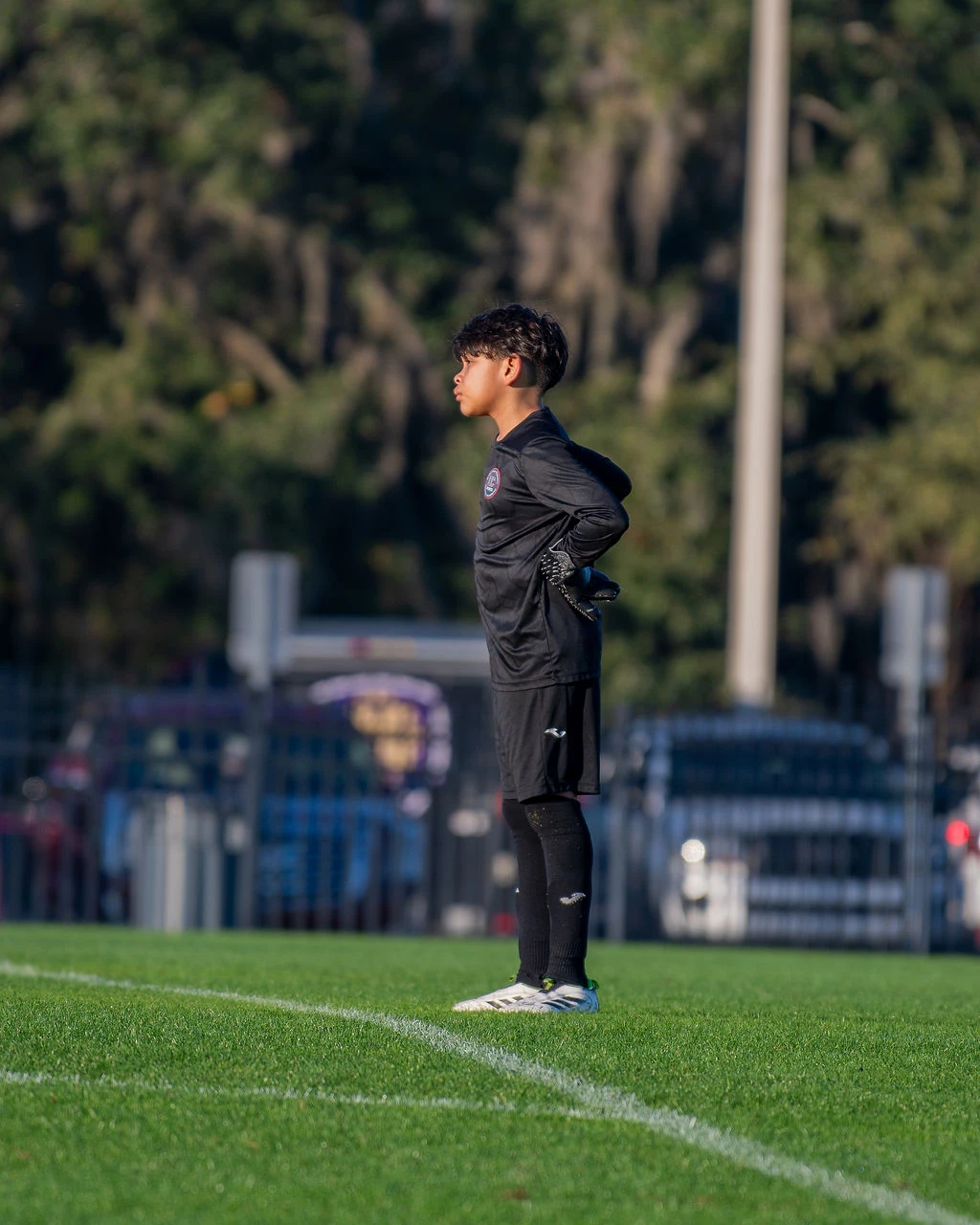
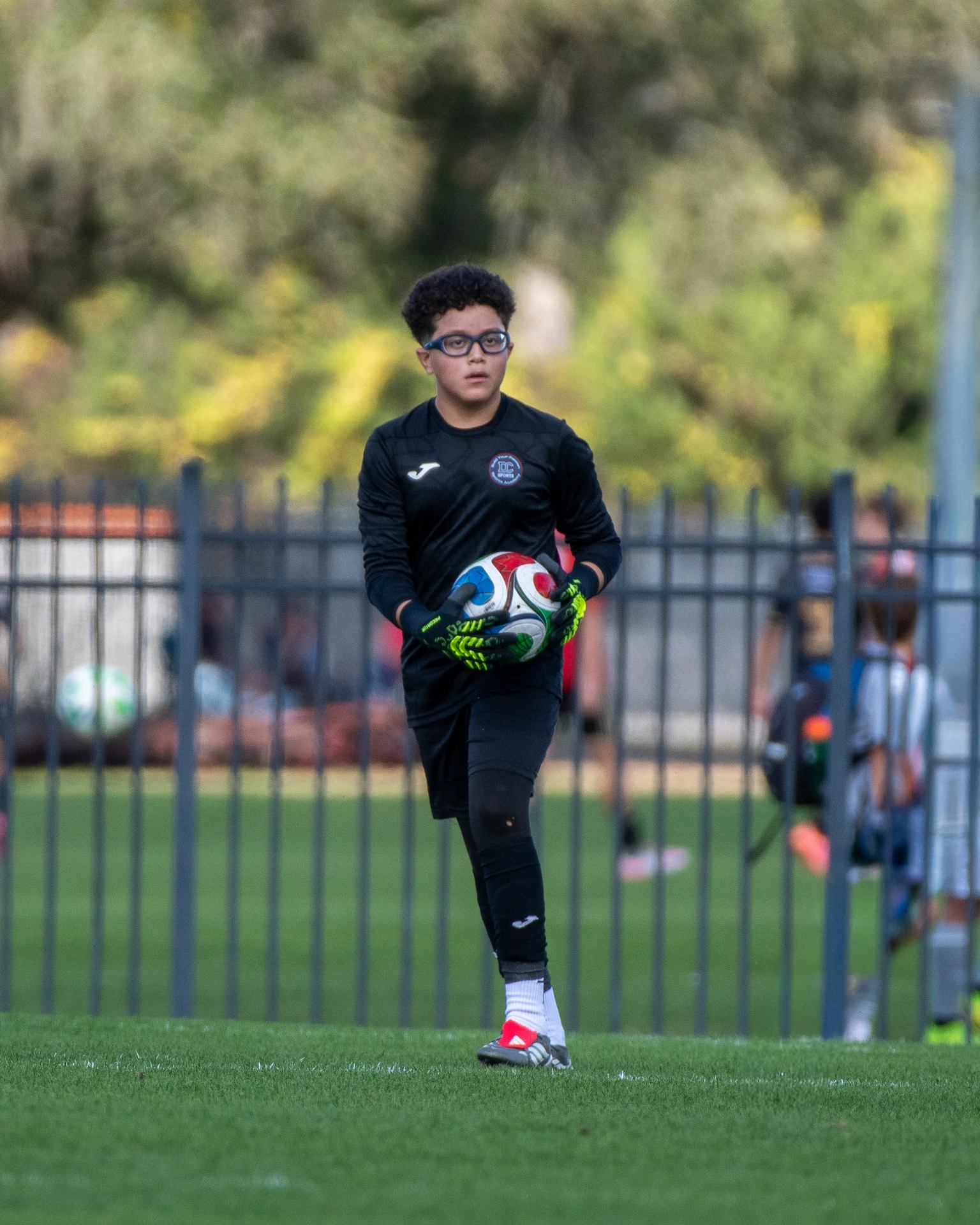
Develop confidence in a specialized role. The DC Goalkeeper Program offers position-specific development tailored for players who want to master the unique demands of being a goalkeeper. Our player-centered training framework delivers the specialized technical tools, tactical understanding, and psychological resilience needed to command the penalty area with confidence.
We believe that great goalkeepers are complete soccer players first. Our curriculum ensures that while players sharpen their goalkeeper-specific skill sets, they continue to grow their overall game intelligence, footwork, and distribution skills to fully contribute to their team's success.
Ask About Goalkeeper Training
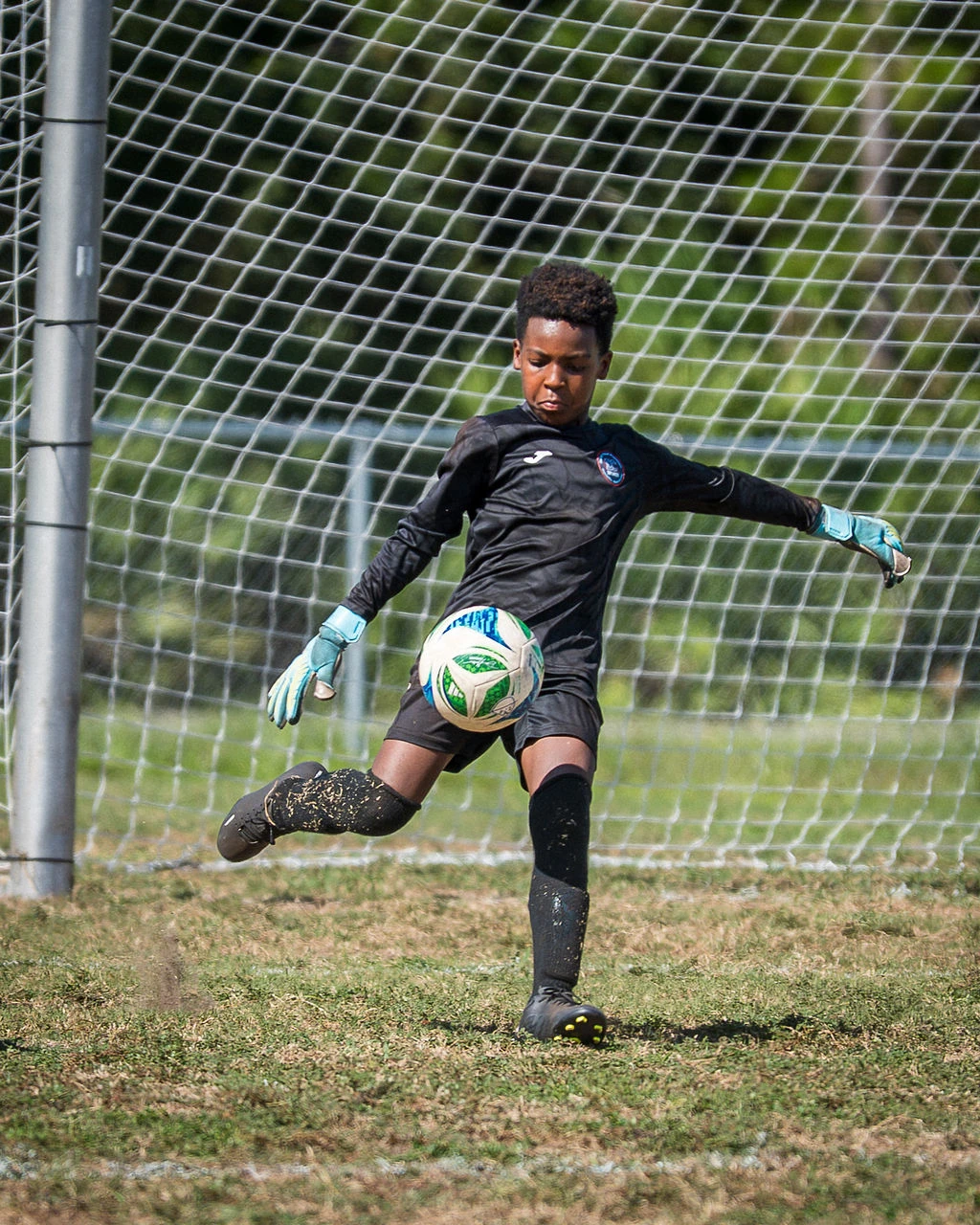
Players ages 8–16 interested in goalkeeper training.
Development focus
Our competitive curriculum challenges players to refine their game execution, shifting the focus from individual mechanics to high-level tactical performance:
Goalkeeper Technique
Mastering the basics of shot-stopping, handling the ball cleanly, and safe diving techniques.
Smart Positioning
Learning where to stand in the net to cut off angles and make saving shots much easier.
On-Field Communication
Finding your voice to organize your defenders and help guide the team from the back line.
Quick Decision-Making
Learning when to come off your line to clear the ball and how to pass accurately to restart the attack.